New Delhi, August 2025 — India’s luxury hotel industry is entering what analysts are calling a “new golden era.” While 2025 has already seen a string of high-profile launches — from Anantara’s India debut in Jaipur to IHCL’s twin openings in Lakshadweep — some of the country’s most transformative properties are still in the pipeline.
From meticulously restored palaces in Central India to international ultra-luxury brands setting foot in Rajasthan, the next wave of openings promises to redefine India’s global luxury profile. These hotels are more than real estate investments: they are cultural, architectural, and economic statements that could alter travel flows for decades to come.
Hospitality giants including Oberoi, IHCL, Hyatt, and Accor are all preparing projects that insiders describe as “landmarks in waiting.” Together, they represent billions in investment, thousands of new jobs, and a deliberate push to position India as one of the top five luxury destinations in the world by 2030.
Below, we examine in detail the most anticipated luxury hotels yet to open — analyzing their history, design, positioning, and wider significance.
The Oberoi Rajgarh Palace, Khajuraho — Scheduled Opening 2025
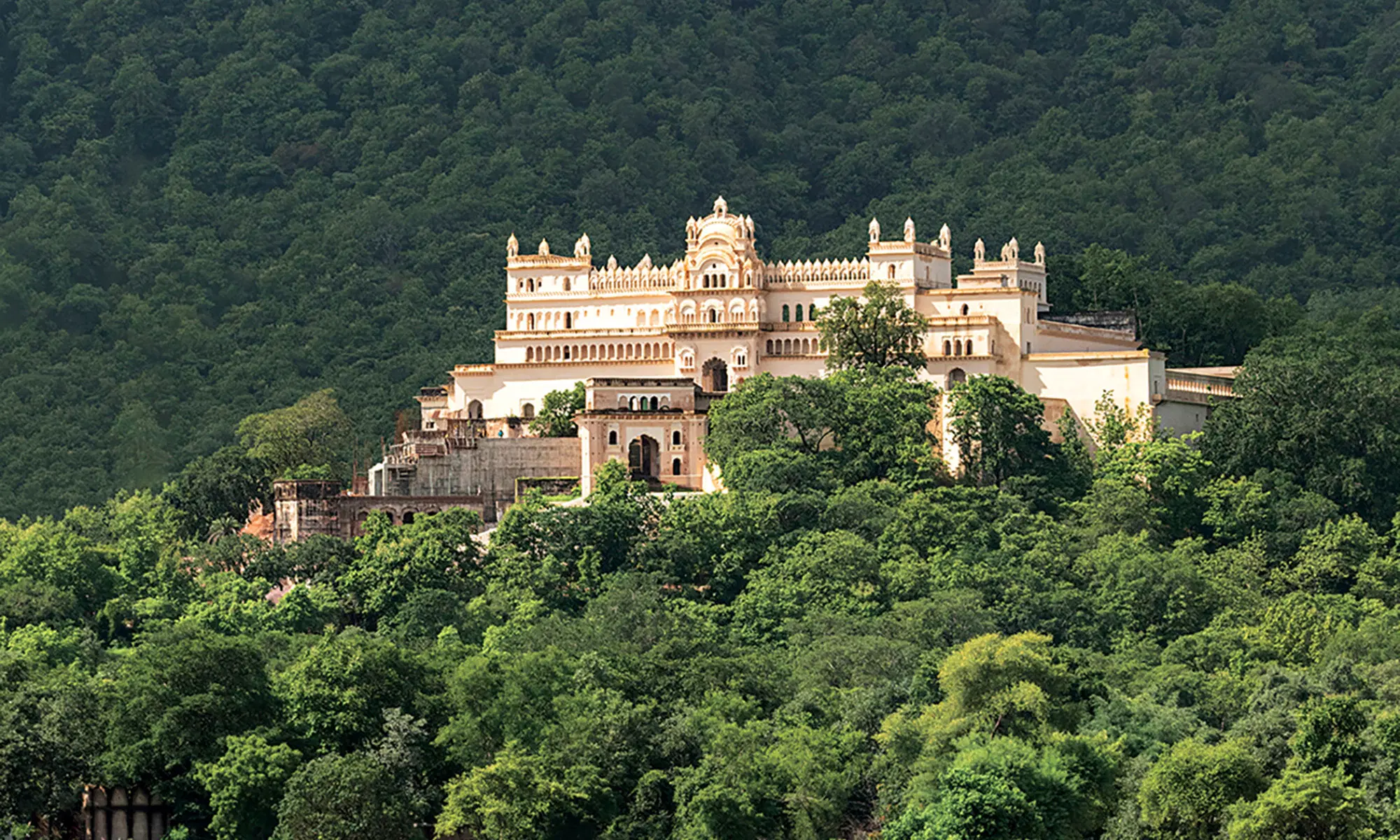
The heritage: Built more than 350 years ago, the Rajgarh Palace has stood as a sentinel above Maniyagarh Hills in Madhya Pradesh. Once a royal retreat, the palace was known for its ornate architecture and commanding views of a vast, rain-fed lake.
The rebirth: The Oberoi Group is now in the final stages of transforming this site into a 66-key ultra-luxury resort. Renderings and reports suggest interiors that balance Mughal-Rajput craftsmanship — arches, courtyards, marble inlays — with contemporary comforts expected of Oberoi’s global clientele.
Signature offerings:
- Cultural immersion: Daily guided tours of Khajuraho’s UNESCO-listed temples, curated through the Oberoi Experiences program.
- Wildlife access: Private safaris in nearby Panna Tiger Reserve, complete with naturalist-led storytelling.
- Wellness: A lakeside Oberoi Spa, including boat transfers to overwater pavilions, offering yoga, meditation, and Ayurveda.
Strategic importance: Industry experts believe Rajgarh Palace will transform Khajuraho from a “two-night cultural stop” into a standalone luxury hub, pairing Oberoi precision with Central India’s heritage and wilderness.
Taj Lalit Bagh, Udaipur (IHCL SeleQtions) — Scheduled Opening 2025
The estate: Originally built as a royal hunting lodge and later converted into a palace estate, Lalit Bagh has long been associated with Udaipur’s regal traditions.
The redesign: Under IHCL’s SeleQtions portfolio, the property is being reimagined as a 151-key luxury resort positioned squarely at the intersection of heritage and large-scale celebrations. Architectural plans show restored gardens, banquet halls with jharokha-style detailing, and suites designed with a mix of Rajasthani textiles and contemporary luxury touches.
Focus on celebrations:
- Banquet capacity: The hotel is designed to accommodate multi-day Indian weddings of 500+ guests.
- Events market: Analysts suggest Lalit Bagh will add critical supply to Udaipur, which currently faces a luxury room crunch during wedding season.
- Culinary depth: IHCL has confirmed plans for signature dining experiences highlighting both royal Rajasthani cuisine and modern fusion menus.
Industry view: Executives describe Lalit Bagh as a “celebration-first hotel,” purpose-built to tap into India’s $75 billion wedding industry. Udaipur’s positioning as the world’s wedding capital will only strengthen with this opening.
Noor-Us-Sabah Palace, Bhopal (Hyatt Unbound Collection) — Reopening 2025/26
The legacy: Built in the 1920s by Nawab Hamidullah Khan, the palace’s name means “Light of Dawn.” For decades, Noor-Us-Sabah was one of Bhopal’s most prominent residences, known for its panoramic views of the Upper Lake and Indo-Islamic architectural flourishes.
The revival: Hyatt has selected this palace as India’s first Unbound Collection property, reflecting its emphasis on unique, story-driven hotels. The project involves a sensitive restoration of 60 rooms and suites, while upgrading infrastructure to meet global luxury standards.
Planned experiences:
- Cultural engagement: Heritage walks through Bhopal’s old city, curated music evenings, and Nawabi cuisine showcases.
- Wedding potential: With lake-facing terraces and lawns, Noor-Us-Sabah is expected to become Central India’s premier destination wedding venue.
- Wellness by the lake: New spa and yoga spaces are being developed along the water’s edge.
Strategic impact: By reopening under Hyatt, Bhopal enters India’s luxury tourism circuit for the first time. The city, until now known more for politics than premium travel, will connect with heritage sites like Sanchi and nature reserves such as Satpura and Kanha.
Raffles Ranthambore, Rajasthan — Expected 2027
The brand: For over 130 years, Raffles has represented the pinnacle of ultra-luxury — with iconic properties in Singapore, Paris, and the Seychelles. Its arrival in India, through Ranthambore, signals a major brand expansion.
The concept: The project envisions 63 private villas with plunge pools, forest decks, and exclusive butler service. The design brief emphasizes harmony with the Aravalli landscape, using natural stone, muted palettes, and open layouts.
Signature experiences:
- Curated safaris: Naturalist-led wildlife drives, followed by champagne brunches in the jungle.
- Legendary Raffles service: 24/7 butler teams, in-villa dining, and bespoke itineraries.
- Iconic Long Bar: Raffles’ most famous feature will make its India debut, expected to be styled with Rajasthan-inspired interiors.
Industry view: Travel experts call this “the first globally iconic safari lodge in India.” It is expected to attract global ultra-high-net-worth travelers who currently choose Africa for luxury safaris.
Sofitel Legend Sukh Bagh, Jaipur — Expected 2028
The scale: Sofitel Legend is reserved for the world’s most legendary hotels — such as Hanoi’s Metropole and Cartagena’s Santa Clara. Jaipur’s Sukh Bagh, slated for 2028, will join this elite list.
Design & capacity: Located near Amer Fort, the property is set to feature over 300 rooms and more than 6,500 square meters of banqueting space — making it one of Rajasthan’s largest luxury hotels. The design will fuse Mughal-Rajput motifs with Parisian elegance, creating a palace-like atmosphere with French finesse.
Strategic offerings:
- Mega-celebrations: Built specifically for Indian and international weddings with guest lists in the thousands.
- Luxury positioning: A spa, Michelin-level dining, and curated art installations will target high-spending global travelers.
- Cultural gravitas: Accor has indicated a plan to embed Jaipur’s history and craftsmanship deeply into the hotel’s identity.
Industry assessment: Analysts expect Sukh Bagh to become “Asia’s most significant luxury wedding venue,” competing directly with destinations such as Dubai, Lake Como, and Istanbul.
Broader Industry Impact
Experts say these five projects together highlight four megatrends shaping Indian luxury hospitality:
- Heritage revival as investment: Palaces are no longer left as relics; they are being monetized sustainably as luxury assets.
- Geographic diversification: Central India (Bhopal, Khajuraho) and wildlife corridors (Ranthambore) are emerging alongside Rajasthan’s established hubs.
- Global alignment: The arrival of Raffles and Sofitel Legend signals India’s readiness to compete at the highest level of luxury worldwide.
- Celebration economy growth: Weddings and mega-events are the single largest driver of design and investment in upcoming projects.
The Road Ahead
With over a dozen luxury projects in development, India’s luxury hospitality story is only beginning. According to industry research, the country’s luxury hotel pipeline has crossed 12,000 keys for the next five years, with demand expected to outpace supply in key markets.
For Oberoi, IHCL, Hyatt, and Accor, these properties are not just hotels but strategic investments in India’s evolving travel ecosystem. Each opening is designed to capture a distinct niche — whether it is the wellness-focused traveler, the destination wedding segment, or the growing luxury leisure market driven by domestic demand.
The next wave of luxury is expected to be deeply experiential. Rather than simply offering five-star comfort, hotels are now competing on storytelling — curating experiences that link travelers to local art, craft, cuisine, and traditions. This reflects a broader global trend in hospitality: the shift from “places to stay” to “journeys to remember.”
For travelers, these new hotels represent unprecedented access to India’s cultural heritage, wildlife reserves, and royal grandeur. Safari lodges in Madhya Pradesh, palace conversions in Rajasthan, beach retreats in the Andamans, and wellness sanctuaries in the Himalayas are redefining what luxury means in the Indian context. At the same time, urban centers like Mumbai, Delhi, and Bengaluru are witnessing a rise in branded luxury residences and long-stay formats, merging lifestyle and hospitality.
For India itself, the growth of luxury hospitality is part of a larger narrative — positioning the nation as not just a destination, but one of the world’s great stages for luxury living. Industry leaders predict that with rising affluence, global connectivity, and a government push for tourism infrastructure, India could emerge as one of the top five luxury travel markets by 2030.
The road ahead is therefore not just about rooms and resorts, but about influence. Every new launch adds another chapter to the story of a country balancing its timeless heritage with modern sophistication — a story that, in many ways, is only beginning to be told.